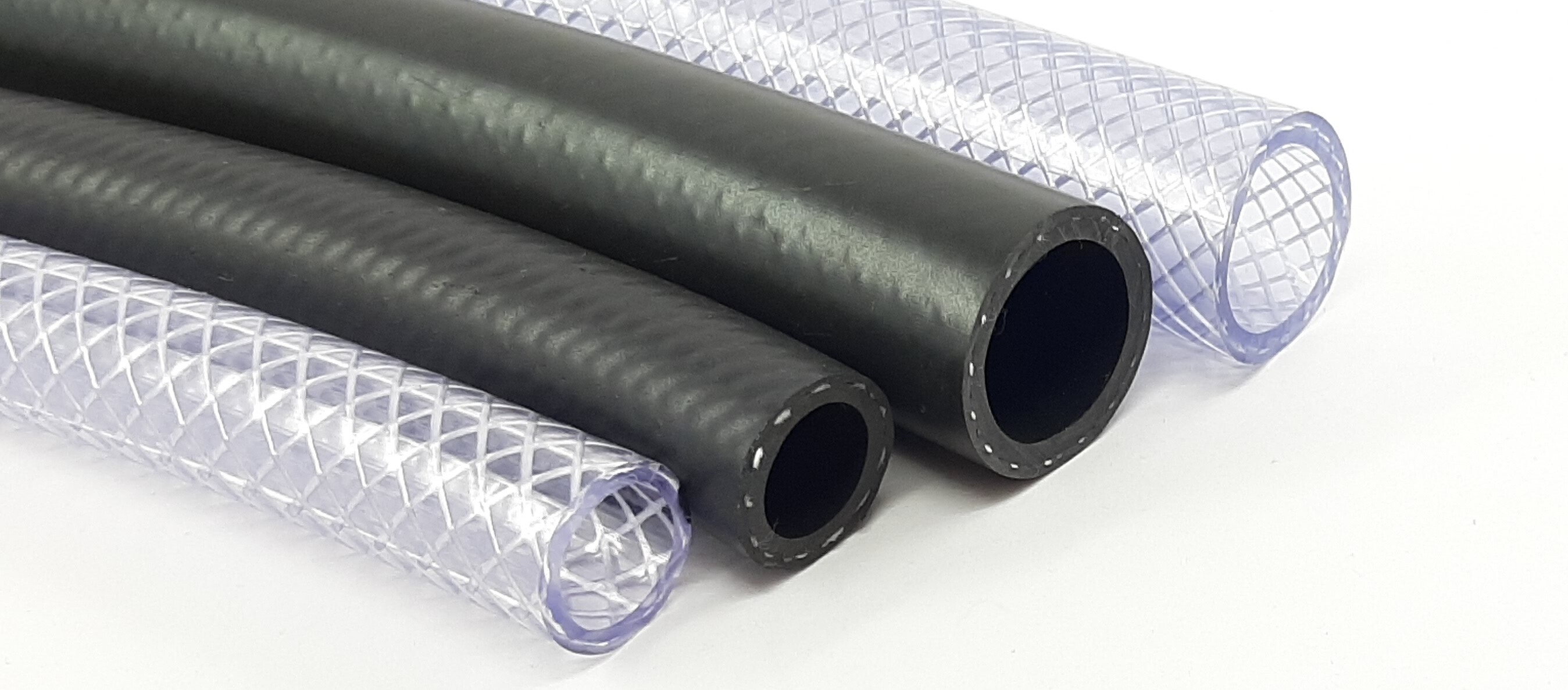
Short answer:
The best source for high-quality 50 mm rubber parts is a verified manufacturer or distributor that specifies the compound, the Shore A hardness and the tolerance class under BS ISO 3302-1:2014. For standard machine feet and buffers, natural rubber (NR) or EPDM at 55-65 Shore A with tolerance class M2 or M3 is a reliable commercial baseline. In the UK, standard 50 mm rubber buffers typically cost £1 to £8 per unit depending on the material and bonding, while custom moulded parts are most economical at volume orders of 100 to 500 pieces. Recommended names to shortlist include Polymax, Trelleborg and Vital Parts, together with the specialist rubber parts manufacturers listed in the supplier table below.
Key Takeaways
- Compound choice drives cost more than geometry: NR, EPDM, NBR and silicone each suit different environments, and switching compounds changes both price and service life.
- Hardness and tolerance travel together: 55-65 Shore A with class M2 or M3 under BS ISO 3302-1:2014 is the workhorse specification for 50 mm buffers and machine feet.
- Verification beats brand names: check supplier profiles for ISO 9001, RoHS and REACH declarations and request hardness and tolerance test reports before ordering.
- The UK rubber products market was valued at $1.86 billion in 2024 and is projected to grow at about 6.2% per year through 2035.
What Types of 50 mm Rubber Parts Are Commonly Used in Industry?
The 50 mm nominal size appears across several distinct part families, and each one solves a different mechanical problem. Understanding which family you need is the first step in writing a specification that suppliers can quote accurately.
| Part type | Typical form | Common applications |
| Rubber buffer / bumper stop | Cylindrical or conical body with threaded stud or internal thread | End stops, impact absorption on presses, doors, conveyors and hoppers |
| Machine foot | Rubber pad bonded to a steel base plate, often with levelling stud | Levelling and vibration isolation of machine tools, cabinets and appliances |
| Anti-vibration mount | Bobbin, sandwich or conical mount, rubber to metal bonded | Pumps, compressors, generator sets, HVAC and marine installations |
| Grommet | Moulded ring for a 50 mm panel hole | Cable and hose protection, edge lining on sheet metal |
| Sealing bung / stopper | Solid or hollow plug, sometimes with grip head | Closure of tanks, pipes and process equipment openings |
Buffers and anti-vibration mounts are the highest-volume types because they wear and are replaced on a maintenance cycle. Grommets and bungs are usually bought as standard catalogue items, which keeps unit prices low but makes material choice more important, since a wrong compound fails quickly in contact with oils or weather.
What Material and Hardness Specifications Matter Most for 50 mm Rubber Parts?
Material selection determines roughly half of the final price and most of the service life. The table below summarises the compounds that dominate the 50 mm parts market and the environments they suit.
| Material | Typical Shore A range | Key properties | Typical use |
| Natural rubber (NR) | 40-70 | High resilience, good dynamic fatigue behaviour | General buffers, machine feet, vibration mounts |
| EPDM | 40-80 | Excellent weather, ozone and UV resistance | Outdoor equipment, HVAC, building services |
| Nitrile rubber (NBR) | 40-90 | Oil and fuel resistance | Engines, gearboxes, pumps, hydraulic environments |
| Neoprene (CR) | 40-80 | Weather resistance with moderate oil resistance | Marine, outdoor machinery, dock buffers |
| Silicone (VMQ) | 20-80 | Wide service temperature range, clean surface | Food contact, medical, extreme temperatures |
| Polyurethane / Vulkollan | 65 Shore A to 75 Shore D | Highest abrasion and load resistance | High load pads, wear elements, heavy machinery |
Hardness is measured with a Shore A durometer according to ISO 868, and most industrial 50 mm parts sit between 40 and 70 Shore A. Values below 40 Shore A favour sound isolation because the compound deforms more easily; values above 70 Shore A increase load capacity but transmit more vibration. Many catalogue parts are produced at 55 Shore A with a ±5 Shore A tolerance, which is a sensible reference point when comparing quotes.
For any dynamic application, ask for the full specification line: compound, Shore A value, density and temperature range. A supplier that can only name the material and colour is usually reselling generic stock, which is acceptable for bungs and grommets but risky for vibration mounts that carry machinery loads.
Which Standards and Tolerances Apply to 50 mm Rubber Parts in the UK?
Dimensional tolerances for moulded and extruded rubber parts are defined in BS ISO 3302-1:2014, the UK adoption of the international standard. It defines tolerance classes M1 to M4 for moulded parts and E1 to E3 for extruded parts. For a nominal 50 mm dimension in a harder compound (50 IRHD and above), class M2 corresponds to roughly ±0.5 mm and class M3 to roughly ±0.7 mm. Softer compounds under 50 IRHD require wider tolerances because the part compresses during measurement.
Hardness testing follows ISO 868 (Shore A and Shore D durometers), while the traditional rubber hardness scale IRHD is covered by ISO 48. In practice, Shore A values are what appear on datasheets and drawings for 50 mm buffers and feet.
Chemical compliance matters as much as dimensions. Under UK REACH, suppliers must be able to declare restricted substances on request, and parts used in electrical equipment should carry RoHS declarations. Most plain rubber buffers are not subject to mandatory UKCA marking, but buyers should still confirm the product legislation status for their specific application, especially in food, medical or marine use.
A practical three-stage verification routine keeps reject rates low:
| 1 | Supplier qualification - Confirm ISO 9001 certification and check whether the supplier manufactures, bonds or only trades the parts. Request a REACH statement and a material datasheet. |
| 2 | Technical review - Compare the drawing against BS ISO 3302-1 tolerance classes and the specified Shore A value. Reject quotes that omit the tolerance class or hardness. |
| 3 | Batch verification - Sample-test the first delivery: measure the 50 mm dimension with a calibrated instrument, check hardness with a Shore A durometer, and verify the bond on rubber to metal parts. |
Which Brands and Manufacturers Are Recommended for 50 mm Rubber Parts?
The UK market is served by a mix of large distributors, specialist manufacturers and engineering groups. Polymax is one of the largest distributors of standard rubber products in the UK, holding more than 40,000 catalogue items with next-day dispatch; its range covers rubber buffers, machine feet and anti-vibration mounts in multiple compounds and hardness grades.
At the engineering end, Trelleborg supplies anti-vibration systems with advanced rubber-to-metal bonding for machinery, rail and industrial equipment. Trelleborg parts command a premium but include full datasheets, fatigue data and application support, which is what high-load or safety-relevant installations need.
For mid-range and custom requirements, UK specialists fill the gap. Vital Parts in Kent stocks rubber components, grommets, adjustable feet and threaded anti-vibration products, while FIBET Rubber Bonding UK in Nelson focuses on rubber-to-metal bonded buffers, bobbin mounts and levelling feet for machinery, rail and agriculture. Buyers who need continental manufacturing options can shortlist European moulders such as the Slovenian specialist Vulko and the Italian moulder Camisana, both of which produce technical rubber parts to ISO 9001.
The strongest shortlist usually combines one distributor for standard items and one manufacturer for custom or bonded parts, so that catalogue speed and engineering depth are both covered.
Where Can Buyers Find Verified Suppliers of 50 mm Rubber Parts?
Company profile pages on B2B directories let buyers check a supplier's product range, certifications and location before making contact. The table below lists four verified suppliers of 50 mm rubber parts whose profiles were confirmed to match this product category; the links point to their company profile pages.
| Supplier | Location | Specialisation |
| FIBET Rubber Bonding UK Ltd | Nelson, United Kingdom | Rubber-to-metal bonded parts, rubber buffers and stops, bobbin mounts, levelling feet |
| Vital Parts Ltd | Maidstone, United Kingdom | Rubber components, grommets, adjustable feet, threaded anti-vibration mounts and buffers |
| Vulko, gumarska tehnologija, d.o.o. | Ptuj, Slovenia | Custom technical rubber and silicone components, buffers and dampers, ISO 9001 and ISO 14001 |
| Camisana SRL | Verdellino, Italy | Moulded technical rubber and silicone articles, anti-vibration mounts, feet and buffers, ISO 9001 and ISO 13485 |
For a wider comparison, the rubber buffers supplier category groups manufacturers and distributors of buffers, bumpers and stops, which is the right place to start when the requirement is not yet fully specified.
How Much Do 50 mm Rubber Parts Cost in the UK?
Prices for 50 mm rubber parts spread across three tiers, driven mainly by compound, bonding and documentation. According to the ONS GDP monthly estimate, UK manufacture of rubber and plastics products contracted by 1.6% in the three months to May 2026, which has kept list prices for standard catalogue parts broadly stable.
| Category | Price range (per unit, excl. VAT) | Typical MOQ | Examples |
| Budget standard rubber buffer | £0.50-£2 | 10-100 units | Plain NR or SBR buffers, stud mounts from general distributors |
| Mid-range machine foot / bonded buffer | £2-£6 | 1-50 units | Galvanised steel bonded feet, M8-M12 threaded buffers, EPDM variants |
| Premium anti-vibration mount | £6-£15 | 1-10 units | Engineering-grade rubber-to-metal mounts with datasheets and fatigue data |
| Custom moulded part | £0.50-£3 at volume | 100-500 units | Tooling quoted separately and amortised over the order |
Volume matters more than list price for anything custom. Tooling for a new mould is a one-off charge quoted separately, so the sensible comparison is total cost per part over the expected annual volume. Stock items from UK distributors such as Polymax usually ship next day, while parts ordered from continental manufacturers typically arrive within 3-7 working days. For pallet quantities, freight adds roughly £15-£40 depending on weight and origin.
How Do Budget and Premium 50 mm Rubber Parts Compare?
The difference between budget and premium 50 mm parts shows up in three places: compound consistency, bonding quality and paperwork. The table below compares the tiers across the dimensions that matter in professional use.
| Criterion | Budget (£0.50-£2) | Premium (£6-£15) |
| Compound | Generic NR or SBR blend, single grade | Engineered NR, EPDM or NBR with certified batch traceability |
| Hardness tolerance | ±5 Shore A or unstated | ±3 Shore A or tighter, with test reports |
| Metal bonding | Adhesive bond, limited load data | Moulded chemical bonding, tested to defined failure loads |
| Dimensional tolerance | Class M3 or M4 | Class M1 or M2 |
| Documentation | Minimal | Full datasheets, REACH and RoHS declarations, test certificates |
| Service life under dynamic load | Shorter, replacement on a maintenance cycle | Longer fatigue life, application support included |
For bungs, grommets and lightly loaded feet, budget parts are usually sufficient. For anything carrying machinery weight or operating continuously, the premium tier pays for itself through fewer replacements and documented compliance. Most industrial buyers keep both tiers on the approved supplier list and route orders by application.
What Is the Recommended Step-by-Step Process for Sourcing 50 mm Rubber Parts?
A structured sourcing process prevents the two most common failures: buying a part that meets no documented tolerance class, and paying a premium for a compound the application does not need.
| 1 | Define requirements - Record dimensions, material, Shore A hardness, load, temperature range and any chemical exposure. State the tolerance class needed (M2 or M3 for most 50 mm parts). |
| 2 | Shortlist verified suppliers - Compare manufacturer and distributor profiles in the anti-vibration mounts category and request quotes with datasheets attached. |
| 3 | Request samples and datasheets - Order samples of 2-3 candidates and check hardness, dimensions and bond quality against your specification. |
| 4 | Check standards compliance - Confirm the BS ISO 3302-1 tolerance class, ISO 868 hardness method and REACH or RoHS declarations as required by your procurement policy. |
| 5 | Compare pricing and MOQs - Request tiered quotes for 1, 10, 100 and 500 units. Ask whether tooling is amortised or billed separately for custom parts. |
| 6 | Confirm logistics and quality terms - Agree delivery lead times, return policies and incoming inspection criteria before releasing the first order. |
What Do Buyers Need to Know About 50 mm Rubber Parts?
Q: What does the 50 mm dimension refer to?
A: The 50 mm figure is the nominal outer diameter of the rubber body, or the hole size for grommets. Always confirm on the drawing whether the diameter, height and thread size are nominal or finished dimensions, because rubber parts shrink after moulding and the tolerance class defines how much deviation is allowed.
Q: Can 50 mm rubber parts be ordered in custom sizes and materials?
A: Yes. Most manufacturers will adjust hardness, colour and compound for volume orders, and many offer full custom geometry with new tooling. Tooling is a one-off charge, so custom parts become economical from roughly 100-500 pieces, depending on complexity.
Q: How do I verify that the tolerance class is actually met?
A: Ask for the tolerance class on the quote and drawing, then sample-check the first delivery: measure the 50 mm dimension with a calibrated calliper or micrometre and compare against BS ISO 3302-1 values for the stated class. For hardness, a Shore A durometer reading on a flat area of the part is sufficient for routine checks.
Q: What is the typical minimum order quantity?
A: Standard catalogue buffers and feet are usually sold in single units or packs of 10-100. Custom moulded parts typically start at 100-500 pieces because of tooling amortisation. Ask for tiered pricing, since unit cost drops noticeably at 100, 500 and 1000 pieces.
Q: Are food-grade 50 mm rubber parts available?
A: Yes. Silicone (VMQ) and selected EPDM and NBR grades can be supplied with food contact approvals where the application requires them. State the contact type (dry food, fatty food, hot fill) when requesting a quote, because the approved compound depends on it.
Q: How long does delivery take in the UK?
A: UK distributors holding stock typically dispatch next day. Orders from continental European manufacturers generally arrive within 3-7 working days, and custom moulded parts follow the quoted tooling and production lead time, often 4-8 weeks.
Find verified suppliers of 50 mm rubber parts
Browse Rubber Buffer Suppliers
Explore Anti-Vibration Mount Suppliers
Sources
- BSI Knowledge - BS ISO 3302-1:2014 Rubber. Tolerances for products. Dimensional tolerances (knowledge.bsigroup.com, 2014)
- ISO 3302-1:2014 and ISO 868:2003 - ISO Online Browsing Platform (iso.org)
- Office for National Statistics - GDP monthly estimate, UK: May 2026 (ons.gov.uk, July 2026)
- Spherical Insights - United Kingdom Rubber Market Report 2024-2035
- Polymax Ltd - product range and company profile (polymax.co.uk)
- Trelleborg - Anti-vibration solutions (trelleborg.com)
